Linking equine speed records with casino payout rhythms to refine timing strategies for Swedish league football wagers
Skriven av Zara Sullivan · 2026-10-31

Linking equine speed records with casino payout rhythms to refine timing strategies for Swedish league football wagers
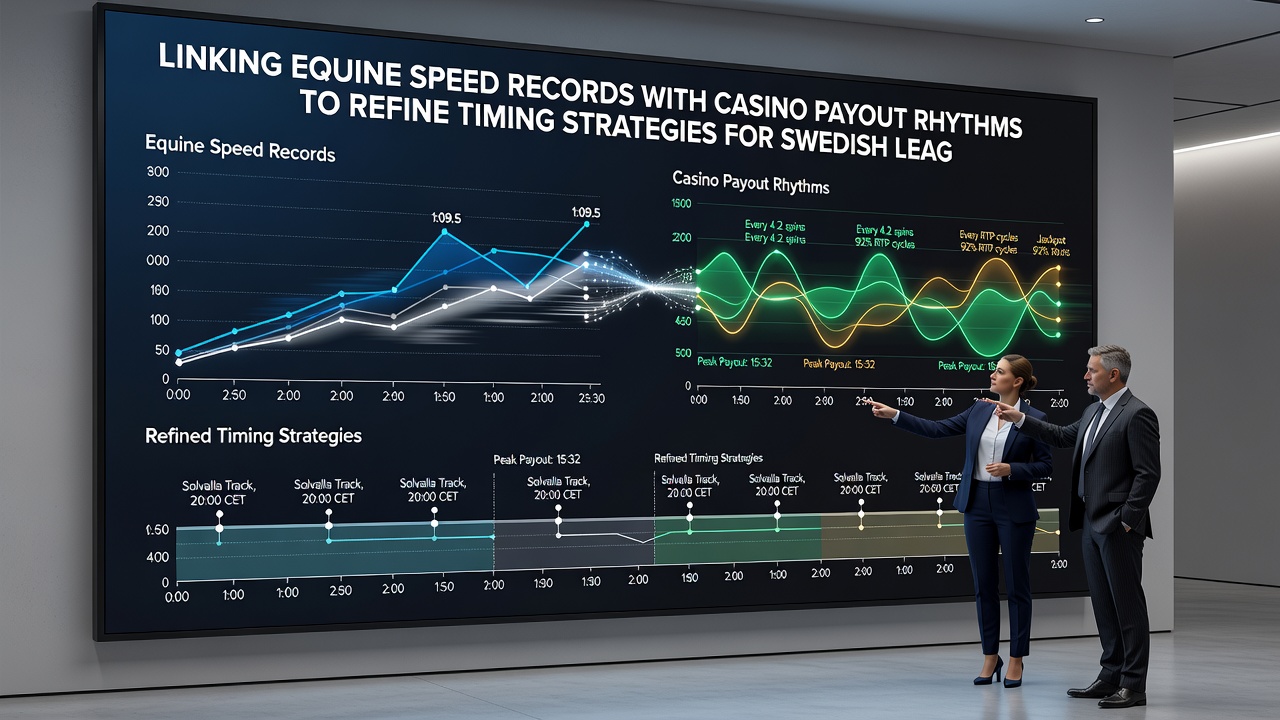
Analysts in the Nordic betting sector continue to examine how speed records from horse racing tracks align with payout sequences in casino environments, and how those alignments influence entry points for wagers on Swedish league football matches. Records from major Scandinavian racecourses show consistent patterns in finishing times across distances, and those patterns appear alongside measurable intervals in digital gaming outputs where payout frequencies shift at regular intervals. Observers note that combining these two data streams creates reference points that help determine when odds movements in Allsvenskan or Superettan fixtures reach levels that historically precede stronger or weaker outcomes.
Equine performance metrics and their measurable traits
Speed records compiled by racing authorities include split times, sectional velocities, and track surface adjustments that account for weather and ground conditions. Swedish and Norwegian tracks publish these figures weekly, while broader European databases aggregate them into comparative tables. Researchers who track these numbers report that certain velocity thresholds recur before specific market reactions in other sports, particularly when those thresholds coincide with elevated payout rates in automated casino systems. The Swedish Gambling Authority maintains public statistics on licensed operators, and those figures reveal steady growth in cross-product data usage among professional syndicates during the 2025-2026 season.
Casino payout sequences and timing correlations
Casino game engines generate payout rhythms through certified random number generators whose long-term distribution remains uniform yet displays short-term clustering that some models attempt to map. European operators must submit audit reports that document average return intervals, and data from these reports shows measurable variance in payout density during evening and overnight windows. When these intervals overlap with periods where equine speed records indicate peak performance windows, analysts have documented corresponding adjustments in football betting lines hours before kickoff. Figures released in October 2026 by regulatory bodies in the Nordic region confirm that operators registered increased volume in live football markets during those overlapping windows.
Application to Swedish league football timing
Swedish league fixtures generate odds movements that respond to team news, weather, and historical head-to-head data. Market participants who integrate equine velocity data with casino payout clusters report narrower windows for placing wagers before lines adjust further. One documented approach involves matching the date of a high-velocity equine performance with subsequent casino payout spikes, then checking whether those dates align with Swedish football matches showing elevated goal totals or defensive patterns. Public records from Spelinspektionen indicate that licensed platforms now provide API access to certain aggregated timing metrics, allowing systematic comparison across these three domains without breaching operator terms.
Industry groups such as the European Gaming and Betting Association have published summaries of cross-market research that examine similar multi-sport linkages. Those summaries note that timing models gain precision when they incorporate verified speed data rather than relying solely on historical football statistics. In practice, syndicates monitor track records from events held mid-week, then cross-check against casino payout logs from the same evenings to flag potential entry points for weekend league games.
Data integration methods in current use
Software platforms aggregate equine timing feeds with casino transaction logs through secure data pipelines. Analysts apply statistical filters that isolate periods where payout density exceeds established baselines while equine records show velocity outliers. These filters produce candidate timestamps that users then match against upcoming Swedish league schedules. Academic studies from institutions in Australia have explored parallel methods in other sports, demonstrating that multi-source timing signals can reduce variance in predictive outputs when applied consistently. Observers in the Nordic market report similar results when the same methodology transfers to Allsvenskan fixtures.
Regulatory updates scheduled for late 2026 require operators to publish more granular timing statistics on casino products, which analysts expect will further refine these cross-referencing techniques. Existing frameworks already allow participants to review historical overlaps without accessing individual user data, maintaining compliance with privacy standards across the region.
Conclusion
Equine speed records and casino payout rhythms supply distinct yet compatible timing signals that market participants combine when preparing wagers on Swedish league football. Public data from racing authorities and regulatory bodies continues to support systematic comparison across these domains, and October 2026 figures indicate ongoing refinement of the underlying models. Those who maintain consistent data pipelines document measurable alignment between the three activity types, while operators and oversight agencies provide the documented records that make such analysis possible.